Now Online: Work from Issue 01
Writing on John Ford and Gillian Rose, new poems, and a story about a dog.

As we begin putting our next issue together, we thought it would be good to make some of the work published in our first issue available for people to read. You can find the full table of contents on our site, though you’ll have to subscribe to read everything. Here’s a selection.

Greg Gerke — John Ford On Death’s Doorstep
I had the question: Why Ford? A beautiful challenge. I didn’t want the answer from a book, or any biographical information. I wanted it only through aesthetic experience, but I couldn’t help myself. Still, the more I read critical books or single essays on Ford—and I threw most of them to the floor in disgust—the more I believed too many had misunderstood and underrated him, while at the same time projecting things that weren’t there. (That they tried to explain the films to me didn’t help.) I felt akin to Madame Merle, the indelible fortune hunter in Henry James’s The Portrait of a Lady, who schemes to get Isabel Archer married to a repellant old flame of hers (she has a grown daughter by him): “It isn’t information I want. At bottom, it’s sympathy. I had set my heart on that marriage; the idea did what so few things do—it satisfied the imagination.” I too desired sympathy, to satisfy my imagination.
Helen Charman — A Case History of Graphomania
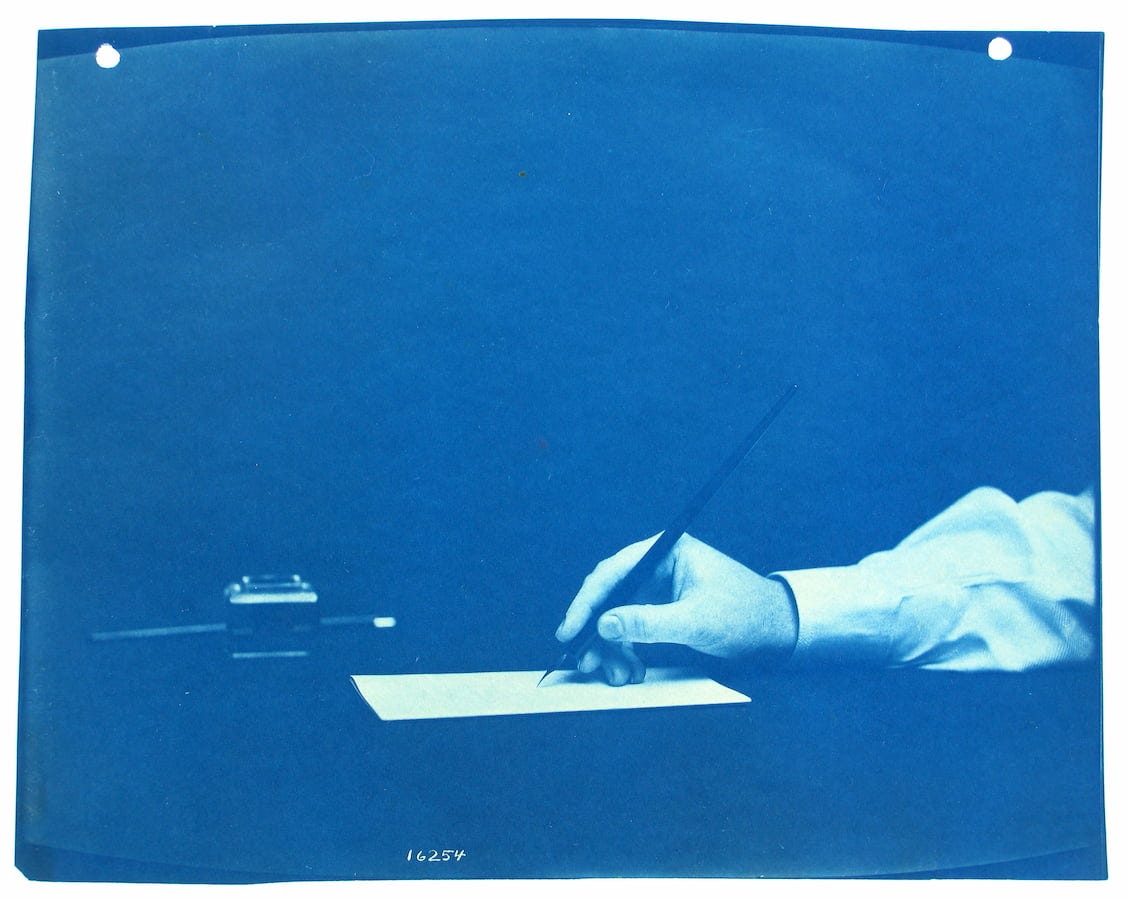
Desire drives people mad. Madness, historically, has sometimes driven people to write. Graphomania is a term with a hazy history. Its first recorded usage was in 1840: in a specifically psychiatric context, related intimately to graphorrea, logorrhea, and hypergraphia, it refers to a condition in which a patient feels compelled to produce reams and reams of text. Max Nordau defined it, in 1895, as intimately related to artistic ‘degeneration’, being as it is ‘the condition of semi-insane persons who feel a strong impulse to write’; Milan Kundera related it specifically to the desire to publish, to ‘to impose one’s self on others’ (what is a love letter, if not this?). Wayne Kostenbaum, writing in 1994, distinguished graphomania from its sibling, logorrhea, by drawing a line between the levels of abjection inspired by speech and text: logorrhea, for Kostenbaum, is the most ‘resonant’ of the two terms ‘for it reflects revulsion at flow, and revulsion at the speaking mouth. Displace the horror onto the hand, and then we are in the territory of graphomania’.
Patrick Nathan — Bad People
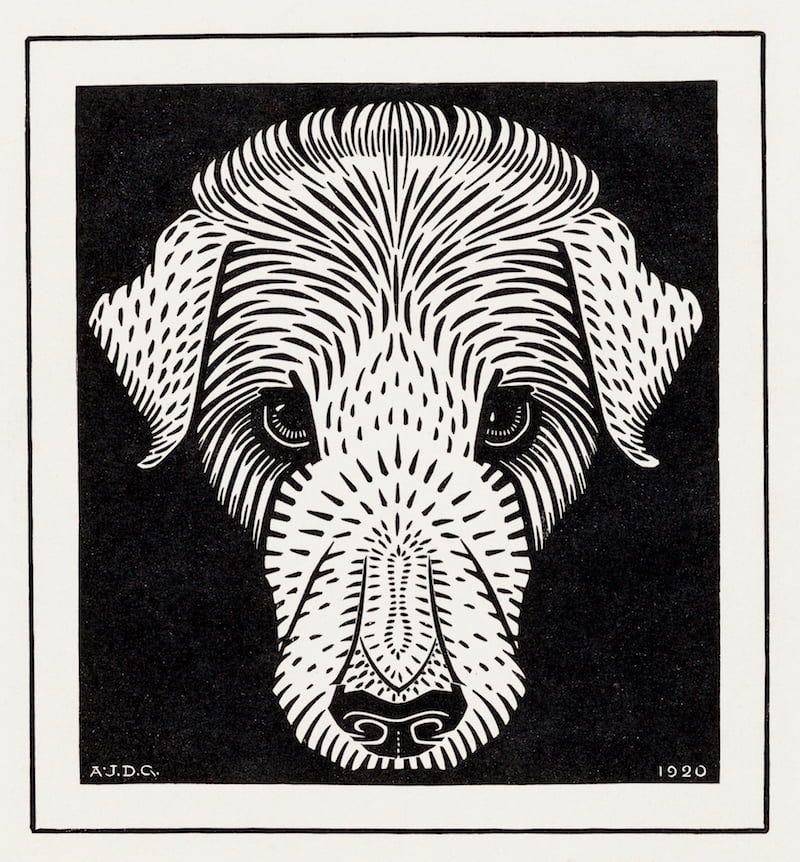
“This is financially wise,” she huffed as the first snowfall covered her sidewalks and the small, formidable rhombus of driveway off the alley. It was a kind of mantra, to centre herself and throw one shovelful after another over her shoulder. This was her responsibility as a homeowner, as a person in her community. It could even be exercise. Her chiropractor suggested a gel pack she could freeze or microwave. She purchased a more serious shovel—wider, with a steel blade at its tip like a safety razor. She felt powerful. But power was only a chemical in the brain, and other chemicals, she learned, could break it apart and devour it the way alkaline compounds, to use a familiar example, ate at fats until each dissolved into ooze. She could barely straighten her body out on the floor. You are an adult, she thought as she iced and heated and iced until neither felt different from the other. An adult who’s made the biggest mistake of her life.
Barbara Bray – A Woman of Letters: An Interview with Pascale Sardin
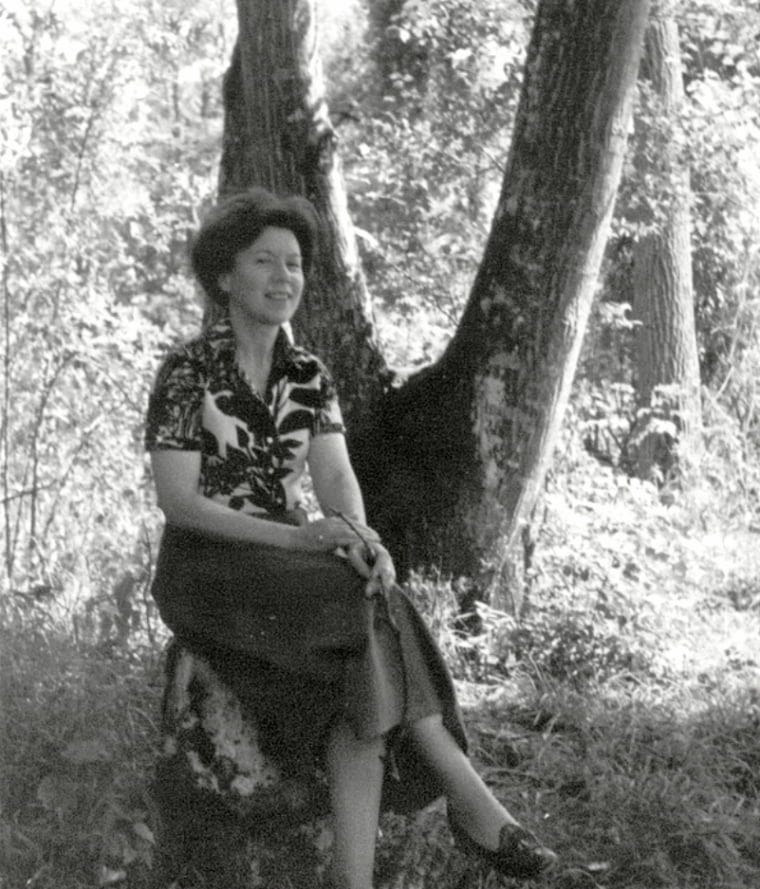
I think what’s really important to me is that this is not just a book about a translator, that’s why it’s called ‘A Woman of Letters’, it’s about someone who really was so important in the creation of a mediation between cultures, and she’s completely invisible. She was a brilliant, proactive translator, but she was much more as well, and I think that’s also why I insisted that the title of the book had the list of all her activities in the literary and media fields. It really was great to research Bray for so many years, but I think still there’s still a lot to do. There are things I haven’t found, there’s lots more to investigate.
Working in the archives, I also found that there are lots of other women out there who need to be researched, which is one of the reasons why I want to do this project on female translators’ archives. With Bray, you can see how she mingles the professional and the personal all the time, you know, how she addresses her friends who are colleagues at the same time, so navigating this kind of thin line between private and public was sometimes a bit difficult, but also quite fascinating.
Much Depends: An Interview With Gabriel Josipovici
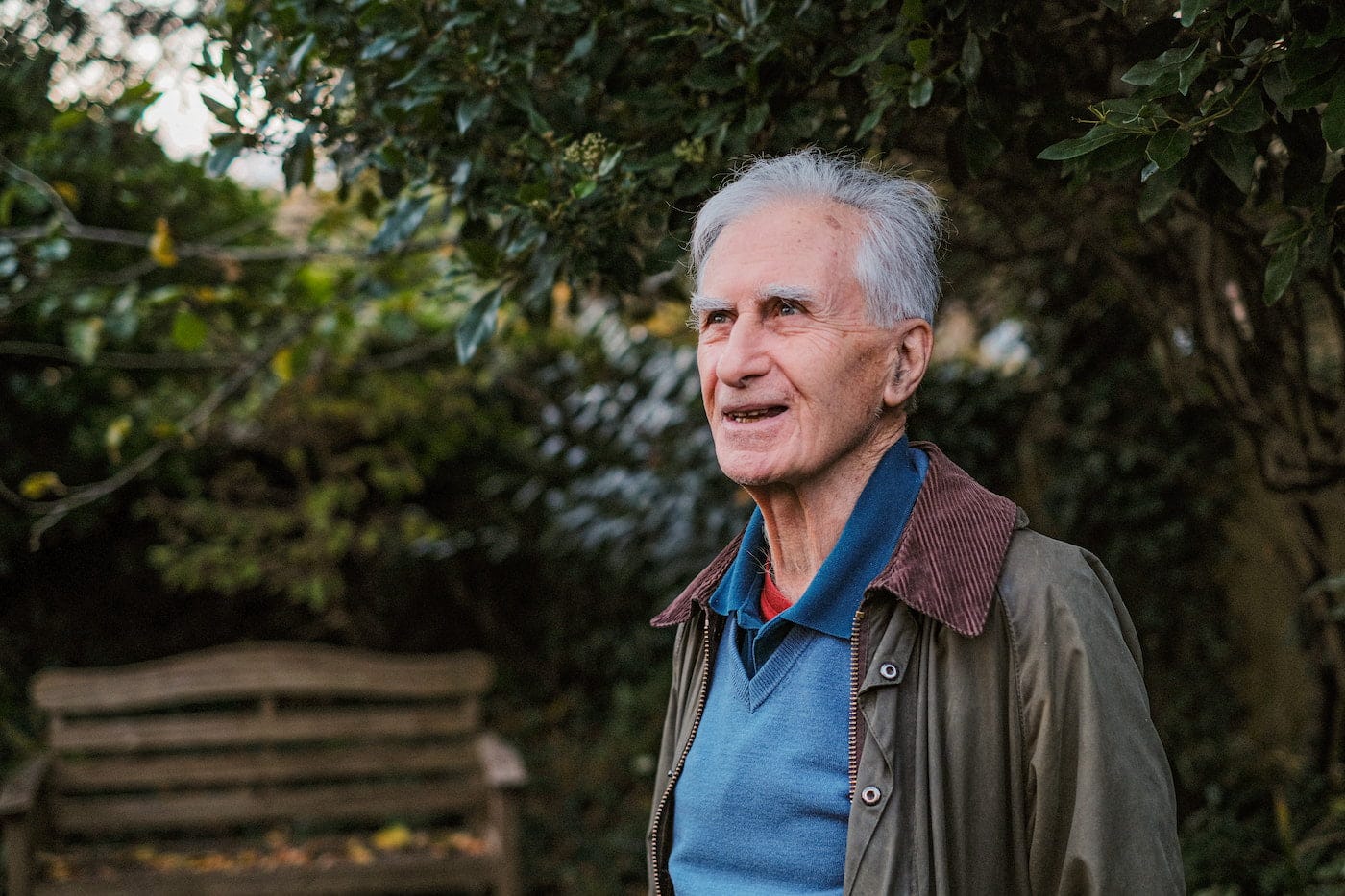
I think that’s how I hope the ideal reader of a novel of mine would feel. That when they come to the end, that’s when something might open up. It isn’t going to open up in the actual work. Things usually start from a feeling of something that can’t be said, rather than something that wants to be said. Of course, it wants to be said, but it can’t be said. If it could be said, then there wouldn’t be any need for art, as it were, for a construction. So if a reader would end by thinking maybe they were groping towards what that thing that couldn’t be said was, that would be what I’d like. A difficult thing to get across. It’s worked better in some cases than others.
That’s it for now—you’ll find more on our site. We’ll be in touch again shortly with details of issue 03, which will be coming out in March sometime.
Until then.